
A curated reflection on memory, culture and the human condition
Museums exist because human beings are afraid of forgetting. Not just forgetting objects but forgetting meaning. They are built to slow us down to place distance between noise and understanding. A museum does not compete for attention, it earns it quietly.
When I think of 2025, I do not see a timeline or a list of events. I see a space calm, layered, deliberate. A year that almost unintentionally turned toward museums. Toward places designed not for urgency but for patience. If 2025 were not a year but a place, it would be a museum gallery.
You would not enter it in a hurry. There would be no dramatic entrance, no loud introduction.
Opening Hall: The Curator’s Note
The opening hall would not attempt to explain everything. Like any thoughtful exhibition it would offer context not conclusions. Museums are not warehouses of the past but they are conversations with time. They exist to ask questions rather than deliver answers.
2025 felt like a year suspended between certainty and reflection. It was not dramatic in obvious ways, yet it carried emotional and intellectual weight. People moved through it quickly but something within them asked to stop. To observe. To reconsider habits that had become automatic.
This opening space would invite the visitor to walk through the year not as a spectator but as a participant. It would not tell you what happened. It would ask how it felt to live through it. What you noticed. What you ignored. What stayed with you longer than expected.
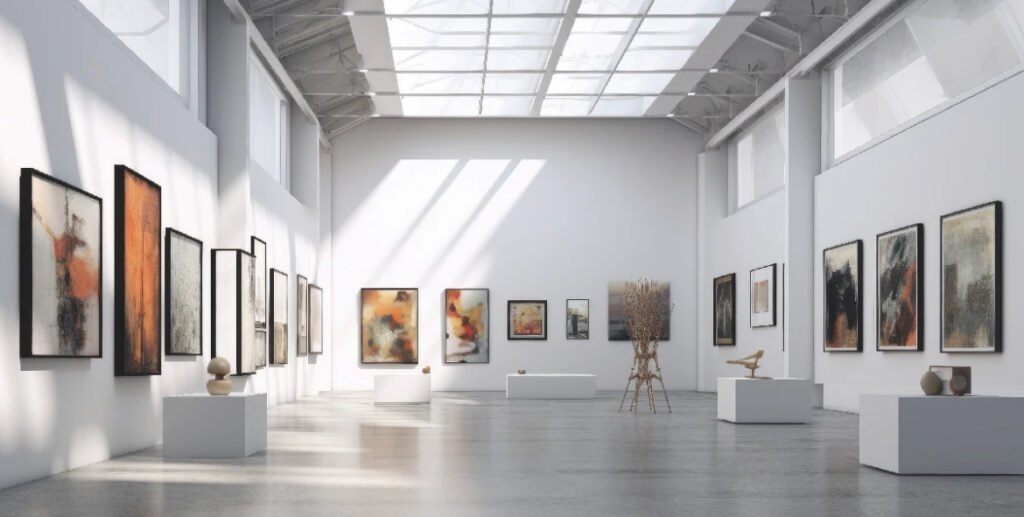
Gallery I: 2025, A Year That Turned Toward Museums
This gallery would feel intentional. Not crowded, not celebratory but quietly confident. It would acknowledge a rare moment when the world chose to invest in memory.
In 2025, several major museums either opened their doors or prepared to do so. The Grand Egyptian Museum stood as a gesture of continuity between ancient civilization and modern stewardship. In Abu Dhabi, the Zayed National Museum is becoming a space where national identity would be interpreted rather than displayed. The Natural History Museum Abu Dhabi signalled a renewed curiosity about the planet itself not as resource but as shared responsibility. In Rotterdam the opening of the FENIX migration museum reframed movement, displacement and arrival as human stories rather than statistics.
These were not isolated projects. Together, they suggested something larger a global instinct to pause and preserve.
This gallery would not present these museums as achievements. It would treat them as signals. Evidence that in an age of speed and disposability, societies still felt the need to anchor themselves. To build places that resist forgetting. To create rooms where time slows enough for understanding to form.
Models, architectural drawings and fragments of text would appear here. Not as spectacle but as intention. The message would be clear without being stated, when the future feels uncertain, humanity turns toward memory.
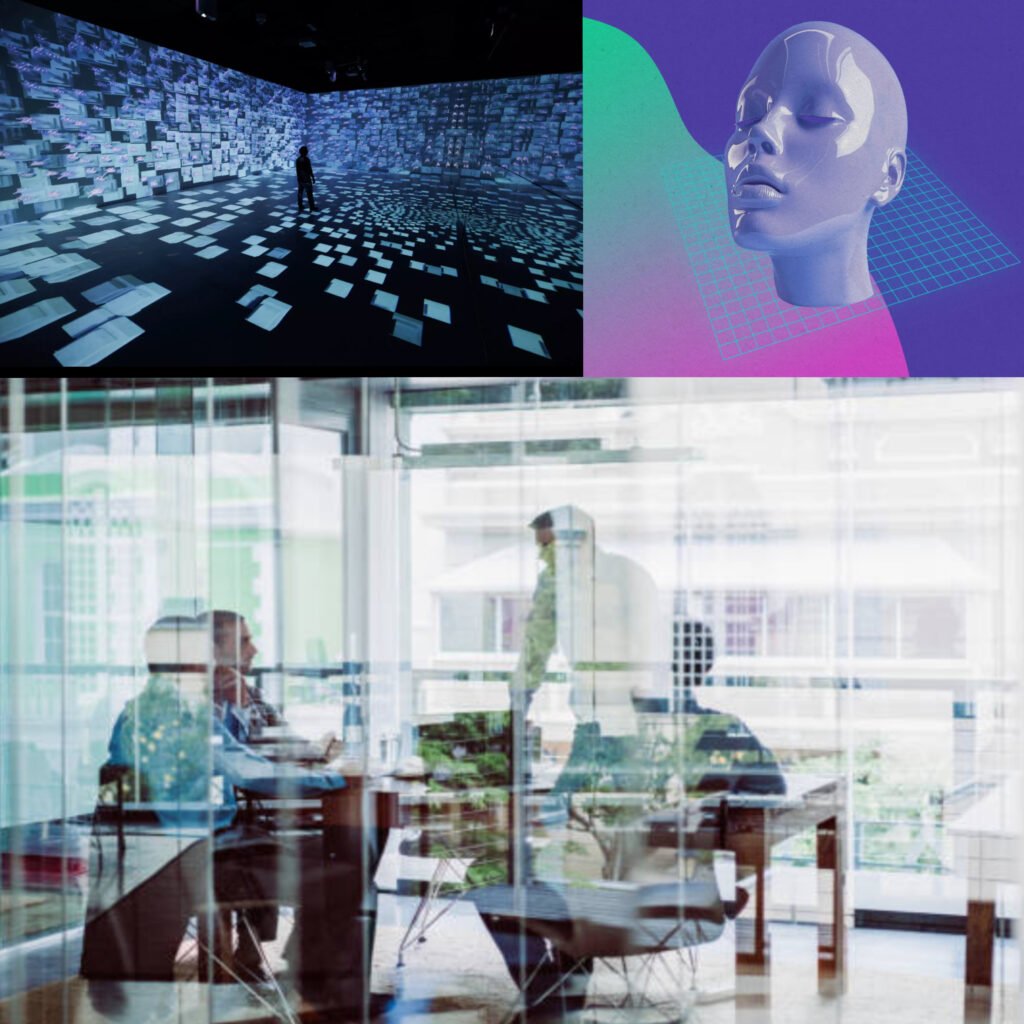
Gallery II: Technology, AI and the Solitary Human
The transition into the next gallery would be noticeable. The light sharper. The surfaces cleaner. Screens appearing not aggressively but persistently.
2025 marked another step forward in the technological journey. Artificial intelligence became more capable, more accessible and more embedded in daily routines. Tasks became easier. Systems became faster. Efficiency improved across industries and institutions.
Yet alongside this progress a contradiction quietly grew. People were surrounded by communication but felt increasingly isolated. Messages travelled instantly but conversations shortened. Knowledge expanded rapidly while wisdom struggled to keep pace.
This gallery would not condemn technology. It would simply observe its consequences. Algorithms projected on walls. Reflections layered over screens. A mirror placed carefully at the centre, reminding visitors that the most complex system in the room was still the human being standing there.
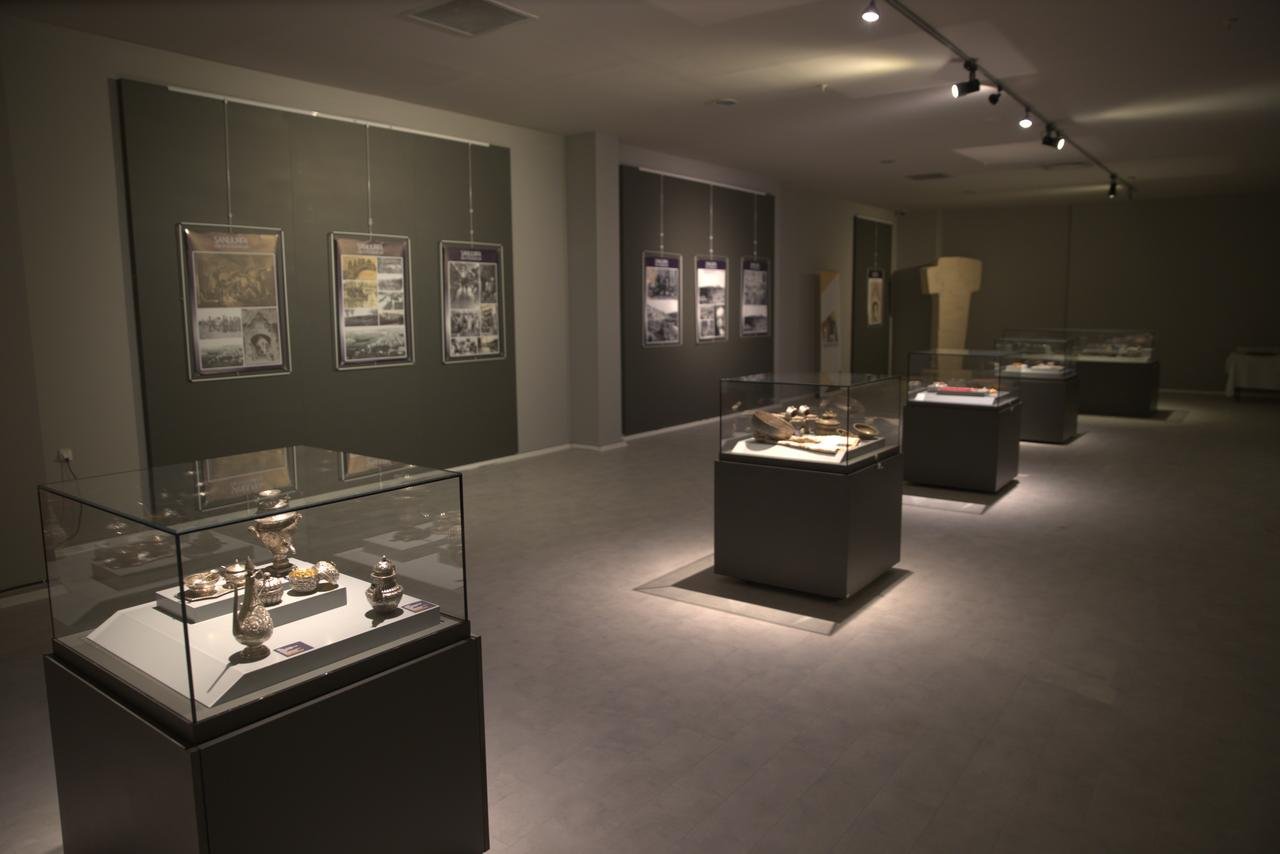
Gallery III: Culture, Memory and the Role of Museums
2025 reminded us why culture matters. Not as decoration but as memory. Culture is what remains when noise fades. It is how civilizations recognize one another beyond politics and power.
Museums in this sense are not institutions of the past. They are institutions of responsibility. They preserve not to resist change but to protect understanding. They remind us that heritage is shared not owned. That dialogue is stronger than division.
Education played a quiet but decisive role throughout the year. Educators, guides, curators and researchers did not dominate headlines but they shaped perspective. They slowed people down. They encouraged attention in a distracted world.
Gallery IV: Ordinary Lives, Quiet Continuity
This room would feel modest. Easy to overlook if one were rushing. And yet it would carry the foundation of everything else.
2025 continued because ordinary people continued. Teachers repeated lessons. Parents carried responsibility. Guides welcomed visitors. Caregivers offered patience. Workers showed up even when nothing felt historic.
No monuments would stand here. Only small objects. A notebook with worn edges. A pen used beyond its expected life. A lunchbox carried through routine days.
Civilizations do not survive on inspiration alone. They survive on reliability. On people who do not ask whether their efforts will be remembered.
Final Gallery: The Empty Frame (2026)
The final space would be almost empty. One frame would hang on the wall. Inside it, nothing. Beneath it a small plaque:
2026
No predictions. No optimism forced into language. No fear disguised as insight. Just possibility.
This frame would not belong to the museum. It would belong to the visitor. What fills it depends on what was learned in the rooms behind. Whether depth is chosen over speed. Whether memory is carried forward or quietly abandoned.
The future does not arrive fully formed. It is curated slowly, intentionally, through daily choices.
The next gallery is not yet curated.
We are its curators.
Exit Reflection: What the Visitor Carries Out
there would be no gift shop at the exit. No souvenirs. No distractions. Only a quiet corridor leading back into the world.
What the visitor carries out is not something tangible. It is perspective. The understanding that years are not only lived, but they are also interpreted. That time is not neutral. It observes, records and eventually responds.
Some years invite celebration.
Others demand understanding.
2025 was not a year to rush past.
It was a year to walk through slowly.